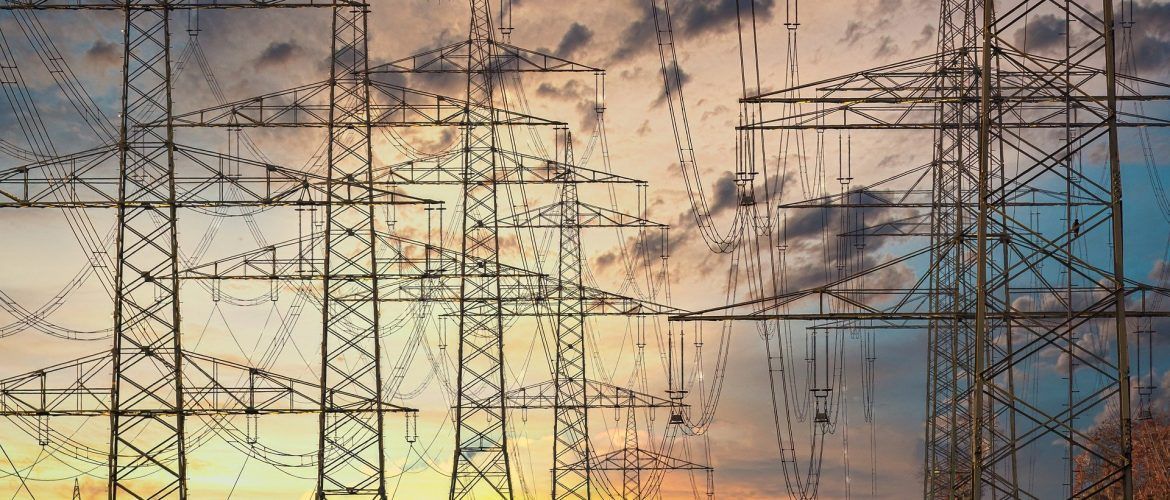
Program Description

Driving light, power and progress with a hands-on engineering path from fundamentals to national power infrastructure .

The Bachelor’s in Electrical Engineering program is designed to prepare students for careers in the generation, transmission, distribution, and utilization of electrical energy. Electrical engineers play a critical role in developing reliable, efficient, and sustainable energy systems that power industries, businesses, and homesBlending strong engineering fundamentals with hands-on laboratory work and real industry experience, students develop the practical skills today’s energy sector demands. From designing advanced power systems to operating and maintaining critical infrastructure, graduates are prepared to make an immediate, real-world impactBe the force behind light, power, and progress..
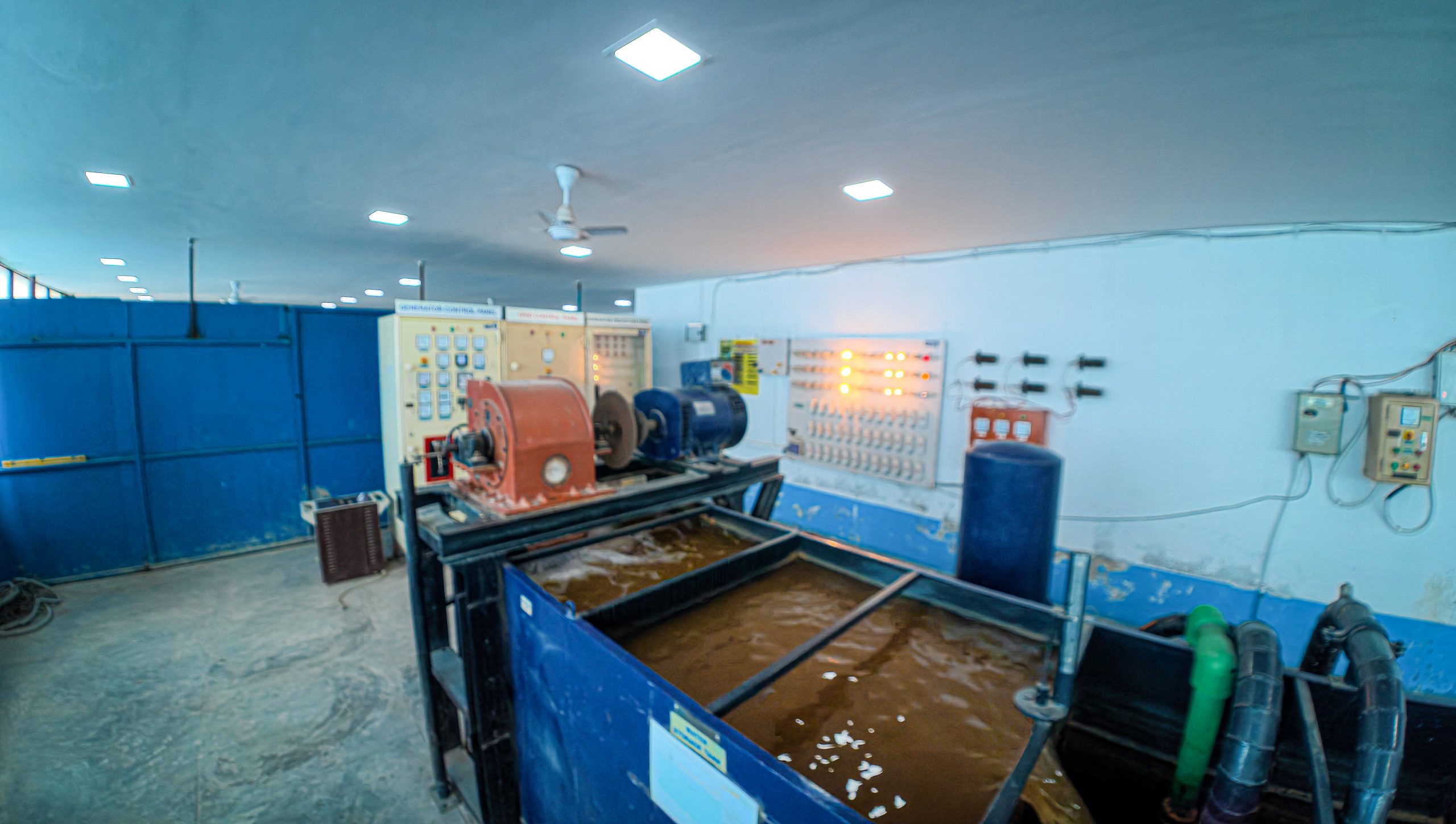
Civil Engineering learning environmentElectrical Engineering learning environment
Program Overview

Core facts for quick comparison.

Degree awardedBachelor in Electrical Engineering
Duration4 years (four years)
Mode of StudyFull-time(Physical)

How learning moves across the program

The program is arranged as a connected pathway: fundamentals first, discipline core next, then field exposure, design work, electives, and final-year project application.

01FoundationMath, science, drawing, computing, and basic engineering concepts.
02Core ElectricalElectric Circuit, Power System, Control System and Electrical Machine.
03PracticeLabs, Field visits, and Seminars.
04CapstoneElectives and project work aligned with Electrical engineering career goals.
Programs Offered

Bachelor of Electrical Engineering

Designing resilient infrastructure through strong fundamentals, field exposure, and practical engineering judgment.


Project-based learning
Computer field exposureStudents connect design, materials, surveying, and infrastructure concepts through supervised practical exposure.
Project-based learning
Project-based learningSite visits and project presentations help students connect classroom work with engineering decisions.
Labs and design practice
Labs and design practiceLaboratory, drawing, and design activities support the theory-heavy engineering foundation.
Bachelor of Electrical Engineering (BEL)Degree Awarded
4 years / 8 semestersDuration
Full-time(Physical)Mode of Study
About Curriculum

A balanced structure covering theory, lab work, field exposure, and project practice.

01

Program History

NCE has offered Electrical Engineering since 2009 A.D., building an academic track around power system, electrical design and renewable energy.

02

Syllabus Updates

The syllabus is updated periodically through the university framework so that teaching, laboratory work, field exposure, and project work remain aligned with current engineering practice.

03

New Syllabus 2080

New syallbus has been updated on 2080 and can be viewed from Click Here

04

Field Visits

Students connect theory with field conditions through field visits as prescribed in the syllabus.

Theory vs. lab and exposure ratio

The chart gives visitors a quick visual summary of how classroom learning, lab/design work, field exposure, and project practice combine across the program.

New syllabus and subject structure


Theory and concepts
40%
Lab, drawing and design
25%
Projects, seminar and electives
15%
Full Curriculum

Semester-wise syllabus structure

The curriculum can be viewed directly on the page.

Field of Specializations

Academic pathways students can shape through electives, projects, and field exposure.

  • Power Generation Engineering
  • Power Transmission and Distribution
  • Power Electronics and Electrical Drives
  • Renewable Energy Engineering
  • Power System Protection
  • High Voltage Engineering
  • Smart Grid and Energy Management
Career Opportunities

Graduate routes across Power Systems, Renewable energy, energy audit and research.

  • Power Systems Engineer
  • Electrical Design Engineer
  • Substation/ Protection Engineer
  • Renewable Energy Engineer
  • Industrial Manufacturing Plants
  • Energy Auditor
  • Electric Grid Operations Engineer
  • Government Energy Departments
  • Consultant, researcher, entrepreneur, or graduate student
Civil engineering career preparationElectrical Engineering career preparation
Admission Requirements

Clear eligibility and process details for prospective students.

Eligibility Criteria

  • Completion of secondary education with strong background in Mathematics and Physics
  • Must pass IOE Entrance examination
  • Meeting college admission standards

Application Readiness Checklist

Academic transcripts and character certificates
Entrance/admission score or admit information, where applicable
Citizenship or valid identification documents
Recent passport-size photographs and contact details
Scholarship or quota documents, if applying under a specific category
Admissions guidance and student supportAdmissions guidance and student support
Step 1

Check eligibility and available seats.

Step 2

Complete the application form and submit required documents.

Step 3

Attend entrance/admission process as applicable.

Step 4

Confirm merit/selection status and complete admission formalities.

Scholarships

Available scholarship pathways and notices.

Scholarship details for 2083 will be updated soon.

Scholarship Options

  • NCE Merit Stipend (2081 Legacy)
  • New Scholarship Schemes: 2082 Intake
  • Admission-Time Scholarships
  • Performance-Based Rewards (Post-Enrolment)
  • Know more