
Er. Krishna Prasad Nepal
Message from HoD

Er. Krishna Prasad Nepal

It is my immense pleasure to welcome you to the Department of Electrical Engineering at National College of Engineering. The Department offers a Bachelor Degree in Electrical Engineering focused on the design, research, development, planning, manufacturing, and management of electrical systems.

Read More
Campus life extends beyond lectures into events, tours, and community.
See Campus Life >
Previous slide
Next slide
25+ Years of Excellence
4 Programs & Departments
3000+ Students Enrolled


Overview

The department of electrical engineering at National College of Engineering (NCE) was established in 2009 AD. It is one of the core academic units of the institute and is recognized for its focuses on power system and renewable energy. Electrical Engineering Department at NCE dedicated to empowering the next generation of electrical engineers with the knowledge, skills, and innovation required to gain the expertise to lead the technologies shaping tomorrow’s world and power the innovations that move society forward. The Electrical Engineering (EE) departments across NCE are characterized by following well-equipped modern lab facilities.

National College of Engineering Electrical Department Overview
  • A core academic department of National College of Engineering committed to excellence in engineering education.
  • Specializes in power systems and renewable energy technologies.
  • Focuses on producing competent and innovative electrical engineers.
  • Supported by well-equipped modern laboratories for practical and research-based learning.
laboratories
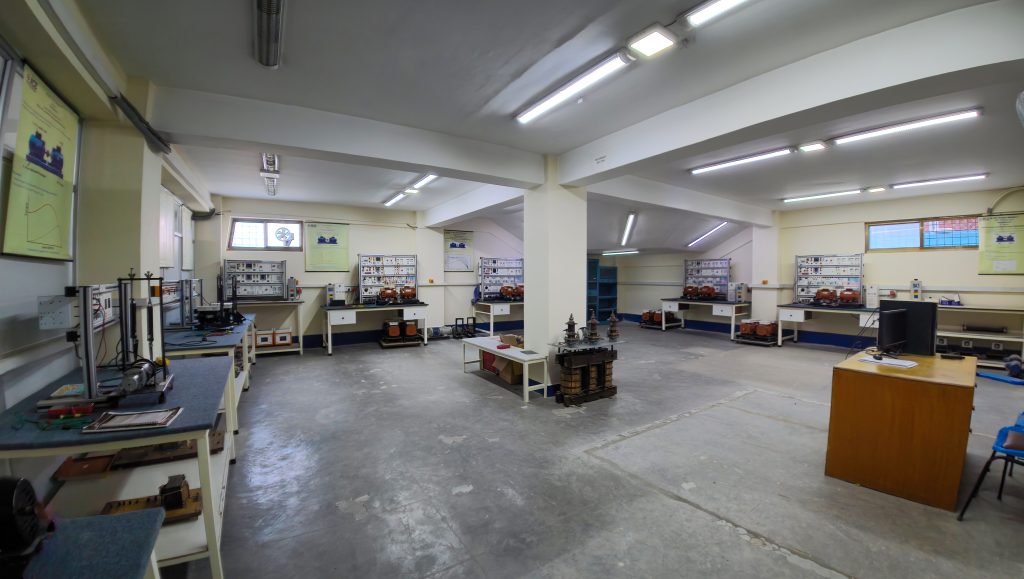
    1. Electrical Machines Lab

      This lab is essential for studying the behavior and characteristics of various rotating and static electrical machines.

      • Key Equipment: DC motors and generators, single-phase and three-phase induction motors, synchronous machines, and various types of transformers with computer interfacing.
      • Experiments: Speed control of motors, load testing, efficiency calculation, and studying transformer regulation.
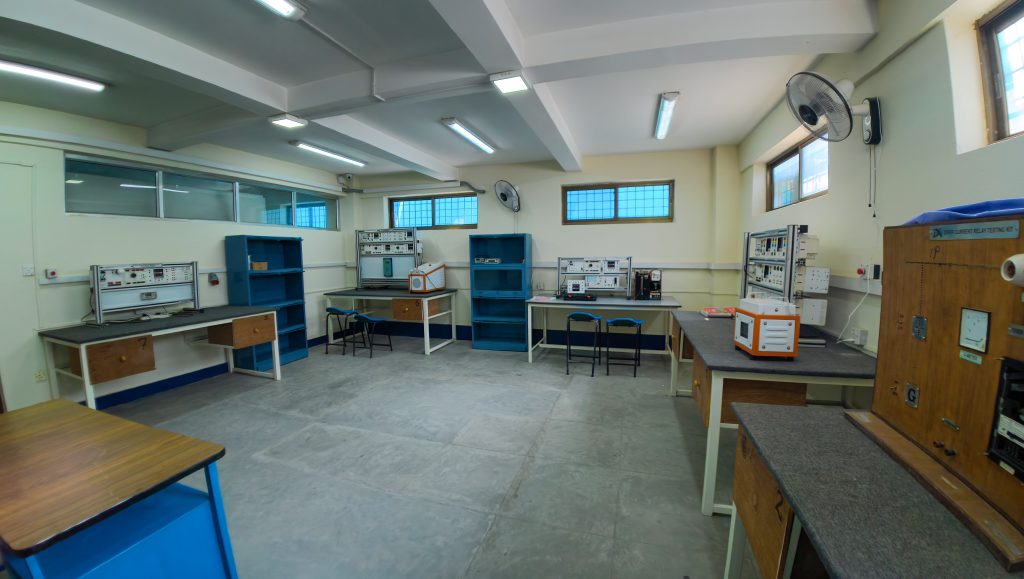
    1. Power Systems & Switchgear Lab

      Focused on the generation, transmission, and protection of electrical power.

      • Key Equipment: Transmission line simulators, protection relays (overcurrent, differential), circuit breakers, and power factor correction units.
      • Experiments: Load flow analysis, fault analysis, and testing of protective devices.
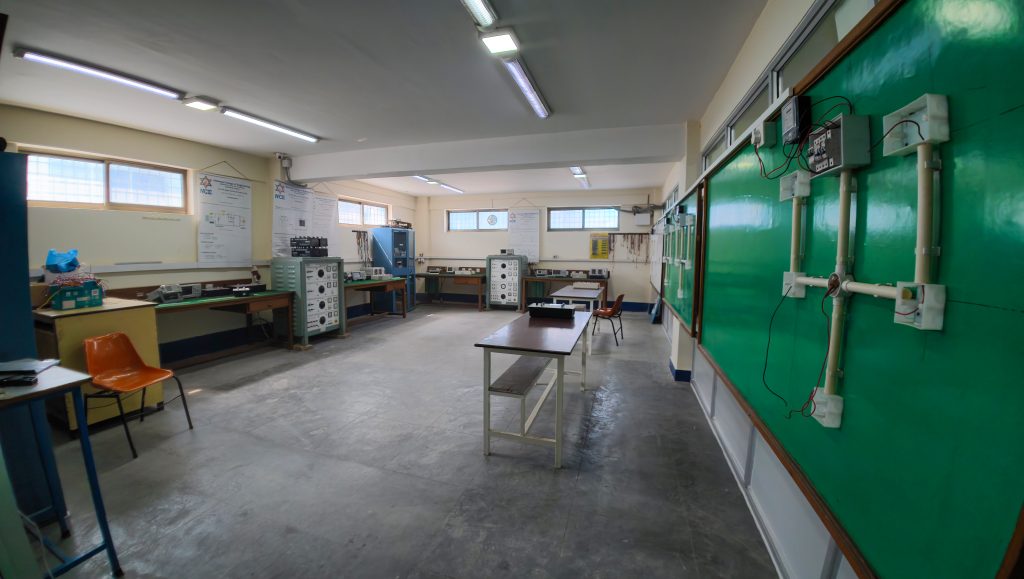
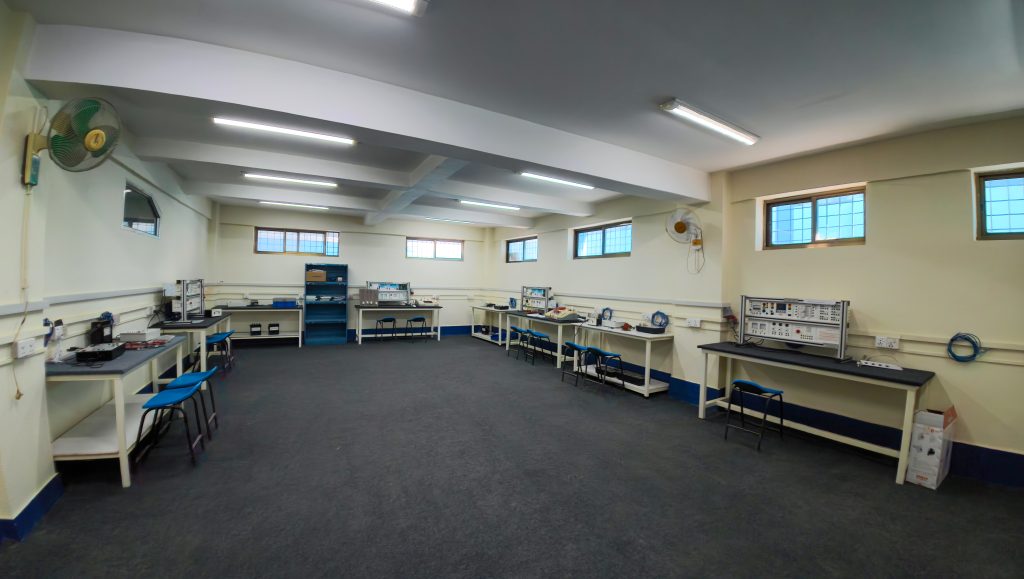
    1. Basic Electrical and Installation Lab

      Lab equipped with lab kits and panel with the facilities to carry out the lab works of fundamental principle of electrical engineering.

      • Experiments: Verification of Ohm’s Law, Kirchhoff’s Laws, and network theorems (Thevenin, Norton, Superposition).
    1. Power Electronics & Drives Lab

      Combines electronics with power engineering to control electrical power.

      • Key Equipment: SCRs (Silicon Controlled Rectifiers), TRIACs, MOSFETs, IGBTs, bridge rectifiers, and variable frequency drives (VFDs).
      • Experiments: AC to DC conversion (rectifiers), DC to AC conversion (inverters), and speed control of motors using electronic drives.
    1. Control Systems & Instrumentation Lab

      Focuses on automated systems and the measurement of physical quantities.

      • Key Equipment: PLC (Programmable Logic Controller) trainers, PID controllers, LVDTs, thermocouples, and strain gauges.
      • Experiments: Designing feedback control loops, calibrating sensors, and programming PLCs for industrial automation.
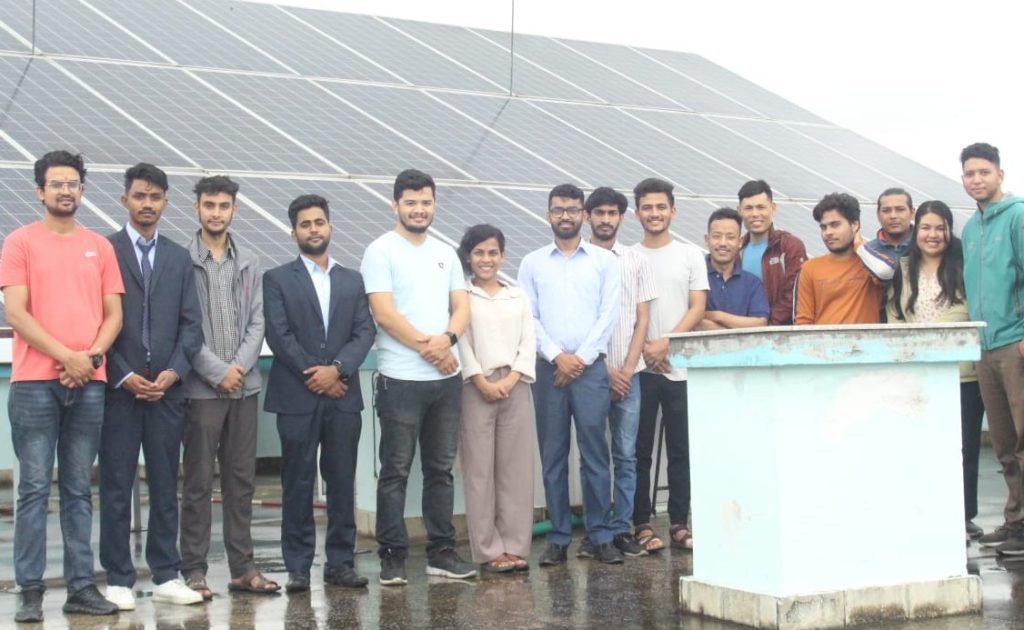
    1. Renewable Energy Lab

      Given Nepal’s energy landscape, this lab is critical for studying sustainable technologies.

      • Key Equipment: Solar PV modules, charge controllers, solar inverters, and micro-hydro demonstration units.
      • Experiments: Measuring the efficiency of solar panels and understanding battery management systems.
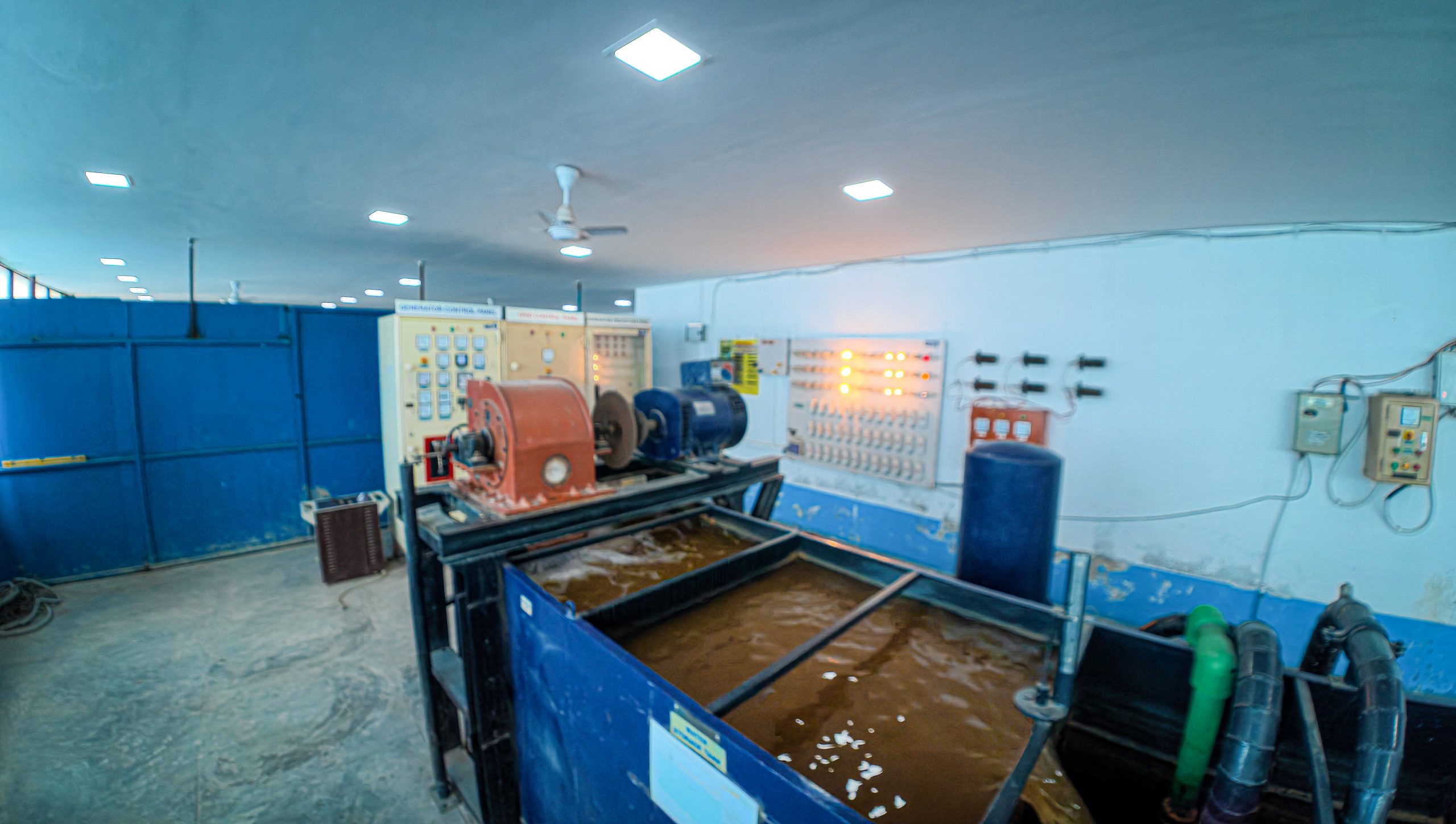
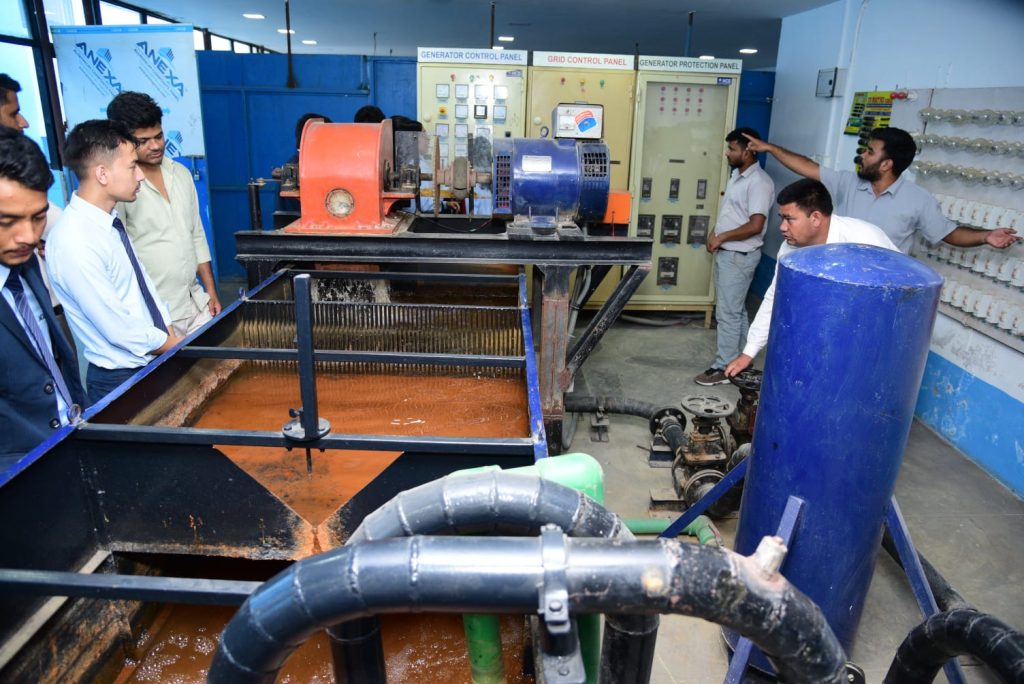
  1. Power Plant Lab

    Hydro power plant of capacity 10 kW operates through motor pump mechanism having facilities of practical demonstration of:

    • Grid synchronization
    • Load-frequency (P-V) and reactive power-voltage (Q-V) control mechanism
    • Generator control and protection panel
Faculties

Teachers helping shape institutional direction.

student club

Electrical Club at NCE

Electrical Club at NCE serves as the primary student-led body dedicated to extracurricular and technical development for electrical engineering students. It bridges the gap between the formal IOE curriculum and the practical, rapidly evolving energy industry in Nepal.

Core Objectives & Activities

The club focuses on fostering a community where students can experiment beyond the classroom. Their main activities include:

  • Technical Workshops: Hands-on training on industry-standard tools like MATLAB, AutoCAD (Electrical), and PLC programming.
  • Skill Development: Organizing sessions on house wiring, transformer maintenance, and basic electronics repair to provide job-ready skills.
  • “Energetic” Events: Hosting technical fests, including electrical-themed quizzes, project exhibitions, and circuit design competitions.

Field Visit Coordination

While the department handles formal visits, the club often facilitates informal site visits to local substations and hydropower plants to give juniors practical industry exposure.