
A practical engineering route from classroom concepts to infrastructure impact.
The Bachelor of Engineering in Electronics, Communication and Information Engineering (BEI) at National College of Engineering is a multidisciplinary engineering program designed to develop skilled professionals in electronics, communication technologies, information systems, and intelligent digital solutions.The program integrates the principles of electronics engineering, telecommunication systems, computer technology, embedded systems, networking, signal processing, and information engineering to prepare students for rapidly evolving technological industries. Students gain both theoretical knowledge and practical experience through laboratories, projects, industrial exposure, research activities, and modern engineering tools.
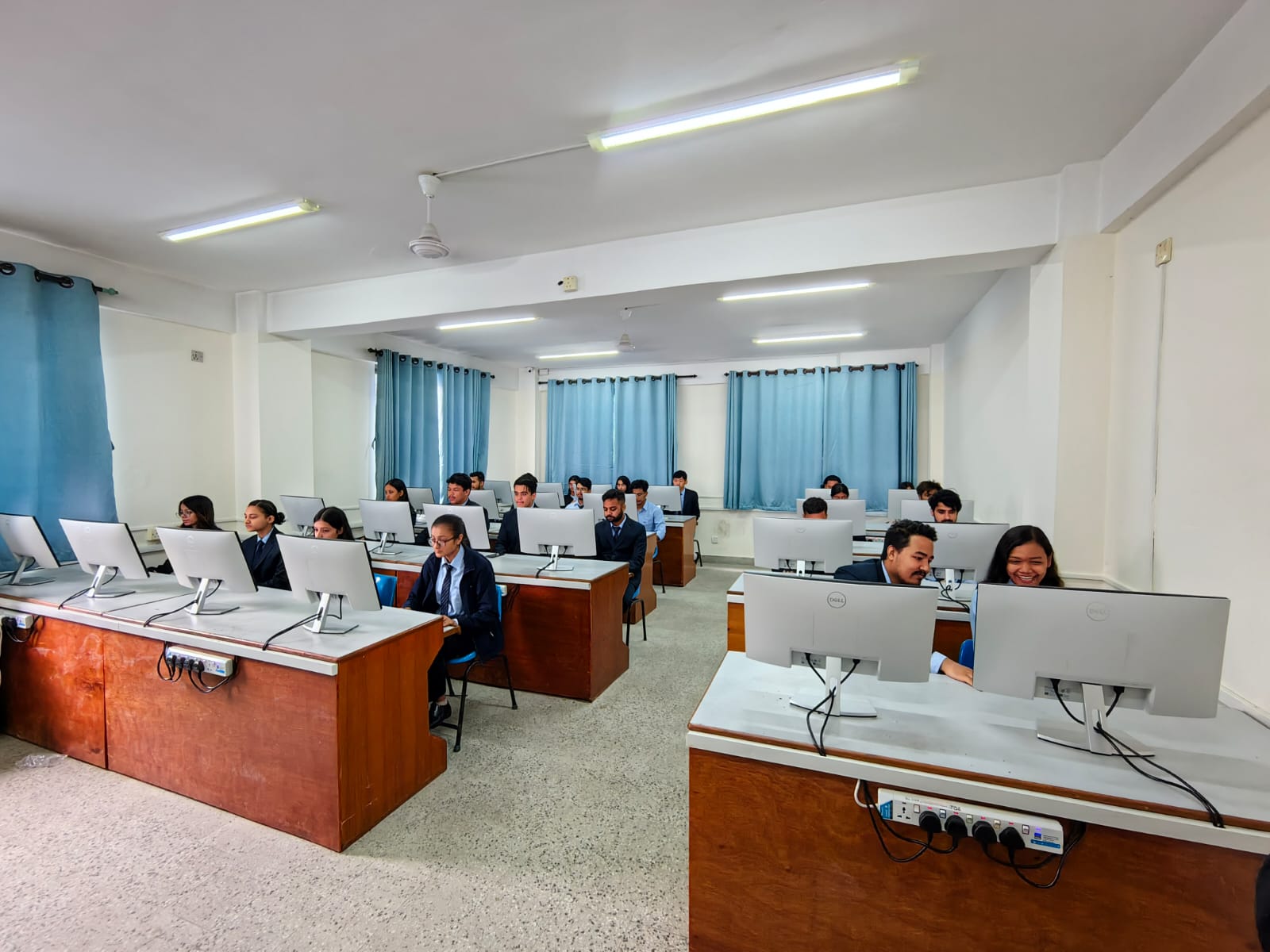
Electronics, Communication & Information Engineering learning environmentCore facts for quick comparison.
How learning moves across the program
The program is arranged as a connected pathway: fundamentals first, discipline core next, then field exposure, design work, electives, and final-year project application.
A balanced structure covering theory, lab work, field exposure, and project practice.
Use this section to present the history of the program, update cycle, New Syllabus 2080, and visual distribution of learning activities.
Program History
The Bachelor of Engineering in Electronics, Communication and Information Engineering (BEI) program was introduced to address the growing demand for skilled engineers in electronics, telecommunication, information technology, and digital communication systems.
Syllabus Updates
The syllabus is updated periodically through the university framework so that teaching, laboratory work, field exposure, and project work remain aligned with current engineering practice.
New Syllabus 2080
New syallbus has been updated on 2080 and can be viewed from Click Here
Field Visits
Students connect theory with field conditions through field visits as prescribed in the syllabus.
Theory vs. lab and exposure ratio
The chart gives visitors a quick visual summary of how classroom learning, lab/design work, field exposure, and project practice combine across the program.
New syllabus and subject structure
Bachelor of Electronics, Communication & Information Engineering
Designing resilient infrastructure through strong fundamentals, field exposure, and practical engineering judgment.


Semester-wise syllabus structure
The curriculum can be viewed directly on the page.
- Engineering Mathematics I
- Engineering Physics
- Computer Programming
- Engineering Drawing
- Fundamental of Electrical and Electronics Engineering
- Engineering Workshop
- Engineering Mathematics II
- Object Oriented Programming
- Electronic Device and Circuits
- Digital Logic
- Electrical Circuits and Machines
- Engineering Chemistry
- Engineering Mathematics III
- Communication English
- Computer Graphics and Visualization
- Microprocessors
- Advanced Electronics
- Control System
- Numerical Methods
- Discrete Structure
- Instrumentation
- Computer Organization & Architecture
- Electromagnetics
- Signals and Systems
- Probability and Statistics
- Artificial Intelligence
- Filter Design
- Embedded Systems
- Propogation and Antennna
- Elective I
- ICT Project Management
- Engineering Economics
- Communication Systems
- Telecommunication and Computer Networks
- Minor Project
- Elective II
- RF and Microwave Engineering
- Robotics
- Elective I
- Digital Signal Processing
- Elective III
- Project I
- Wireless Communication
- Energy, Environment and Social Engineering
- Internship**
- Elective IV
- Project II
Academic pathways students can shape through electives, projects, and field exposure.
- Embedded System Design
- VLSI and Digital System Design
- Microcontrollers and Microprocessors
- Wireless and Mobile Communication
- Optical Fiber Communication
- Satellite Communication
- Radio Frequency (RF) Engineering
- Telecommunication Networks
- 5G and Next-Generation Communication Systems
- Computer Networks
Graduate routes across design, construction, public infrastructure, consulting, and research.
- Embedded Systems Engineer
- FPGA/VLSI Engineer
- Instrumentation and System Engineer
- Telecommunication Engineer
- Wireless Communication Engineer
- Network Security Specialist
- Software Engineer
- Cloud Engineer
- DevOps Engineer
- IoT Engineer
Electronics, Communication & Information Engineering
career preparationClear eligibility and process details for prospective students.
Eligibility Criteria
- Completion of secondary education with strong background in Mathematics and Physics
- Must pass IOE Entrance examination
- Meeting college admission standards

Application Readiness Checklist
Keep these items ready before starting admission follow-up. The admissions team can confirm the latest documents and deadlines.
Admissions guidance and student supportCheck eligibility and available seats.
Complete the application form and submit required documents.
Attend entrance/admission process as applicable.
Confirm merit/selection status and complete admission formalities.
Available scholarship pathways and notices.
Use this block to publish current scholarship options, merit notices, quota details, and institutional support information.
Scholarship Options
- NCE Merit Stipend (2081 Legacy)
- New Scholarship Schemes: 2082 Intake
- Admission-Time Scholarships
- Performance-Based Rewards (Post-Enrolment)