
Er. Krishna Prasad Nepal
It is my immense pleasure to welcome you to the Department of Electrical Engineering at National College of Engineering. The Department offers a Bachelor Degree in Electrical Engineering focused on the design, research, development, planning, manufacturing, and management of electrical systems.
Read MoreOverview
The Department of Electrical Engineering at National College of Engineering (NCE) was established in 2009 AD, building upon the institution’s strong tradition of engineering education since 2001 AD. The department offers a Bachelor of Electrical Engineering program with an annual intake capacity of 48 students. The program combines strong academic foundations with practical and field-visit-based learning, preparing graduates with technical expertise, professional competence, and innovative mindset needed to address contemporary challenges in the electrical engineering profession.
- Distinguished Faculty: highly qualified academicians educated at prestigious local and international institutions
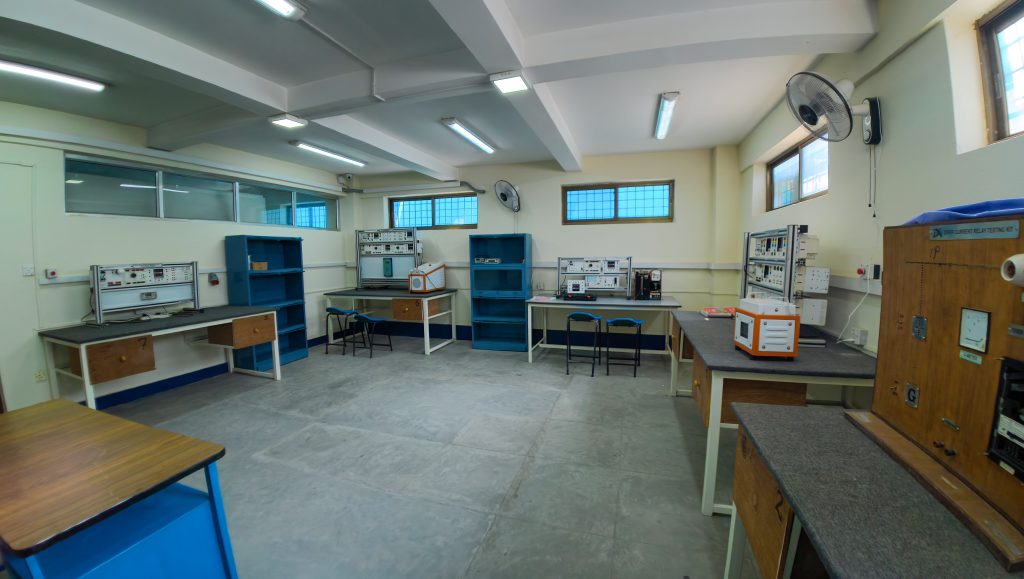
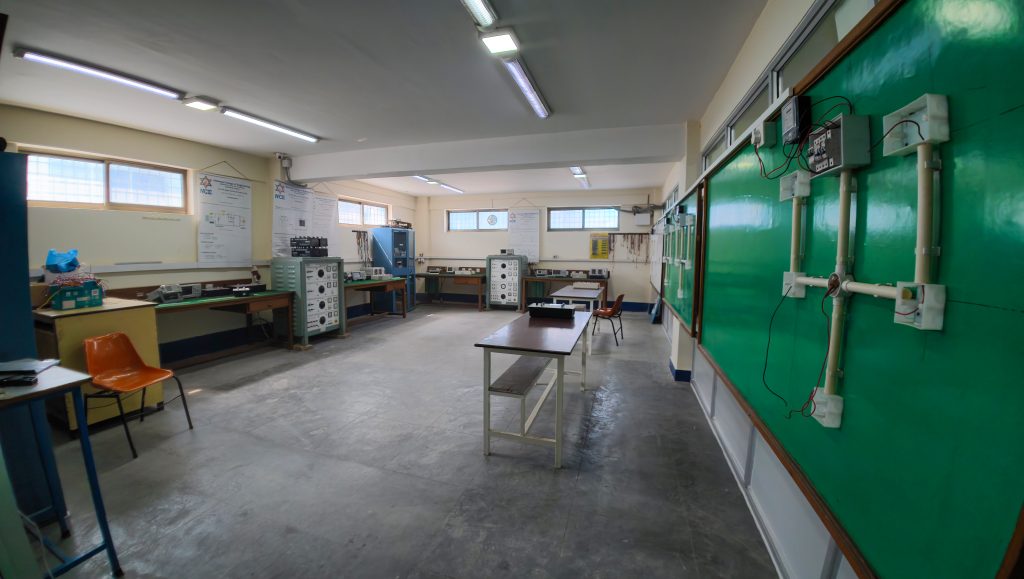
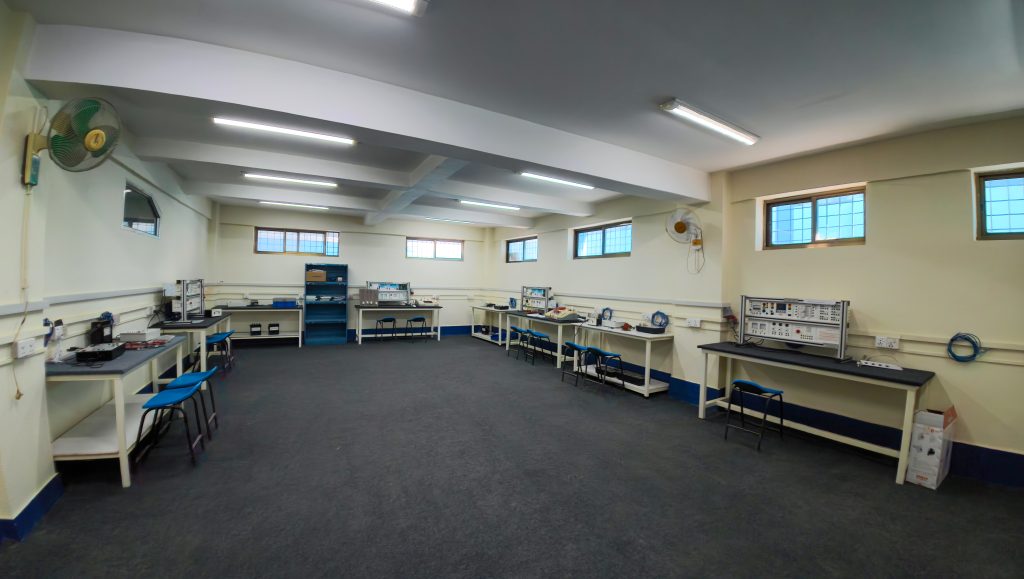
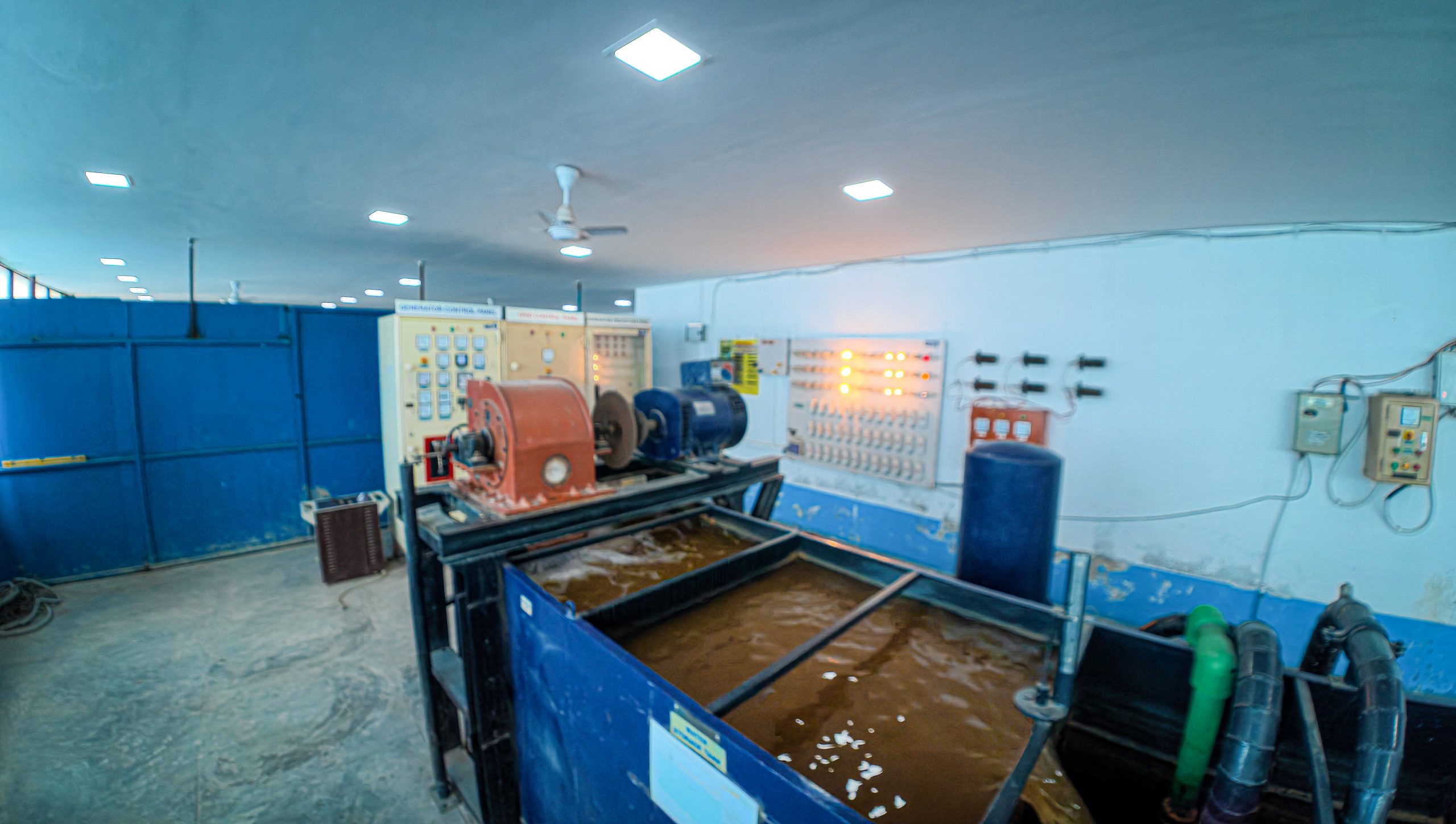
- Advanced Infrastructure: cutting-edge modern laboratories, hands-on experience with real-world grid synchronization and control mechanisms.
- Proven Track Record: Consistently produces excellent results in IOE examinations
- Strengthening Reputation: Regularly attracts top-ranking entrance candidates.
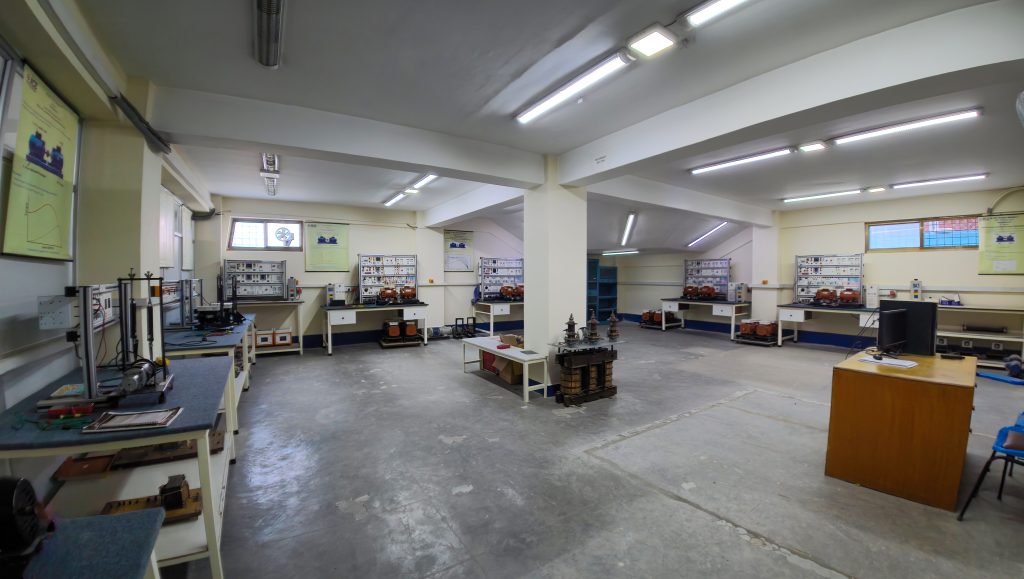
- Purpose: Studies the behavior and characteristics of rotating and static electrical machines.
- Key Equipment: DC motors/generators, single- & three-phase induction motors, synchronous machines, and transformers with computer interfacing.
- Core Experiments: Speed control of motors, load testing, efficiency calculation, and transformer regulation studies.
- Purpose: Focuses on the generation, transmission, and protection of electrical power.
- Key Equipment: Transmission line simulators, protection relays (overcurrent, differential), circuit breakers, and power factor correction units.
- Core Experiments: Load flow analysis, fault analysis, and testing of protective devices.
- Purpose: Provides practical facilities to study the fundamental principles of electrical engineering.
- Key Equipment: Specialized lab kits and panels.
- Core Experiments: Verification of Ohm’s Law, Kirchhoff’s Laws, and core network theorems (Thevenin, Norton, Superposition).
- Purpose: Combines electronics with power engineering to control and manage electrical power.
- Key Equipment: SCRs, TRIACs, MOSFETs, IGBTs, bridge rectifiers, and variable frequency drives (VFDs).
- Core Experiments: AC-to-DC conversion (rectifiers), DC-to-AC conversion (inverters), and electronic drive motor speed control.
- Purpose: Focuses on automated systems and the precise measurement of physical quantities.
- Key Equipment: PLC trainers, PID controllers, LVDTs, thermocouples, and strain gauges.
- Core Experiments: Designing feedback control loops, calibrating sensors, and industrial PLC programming.
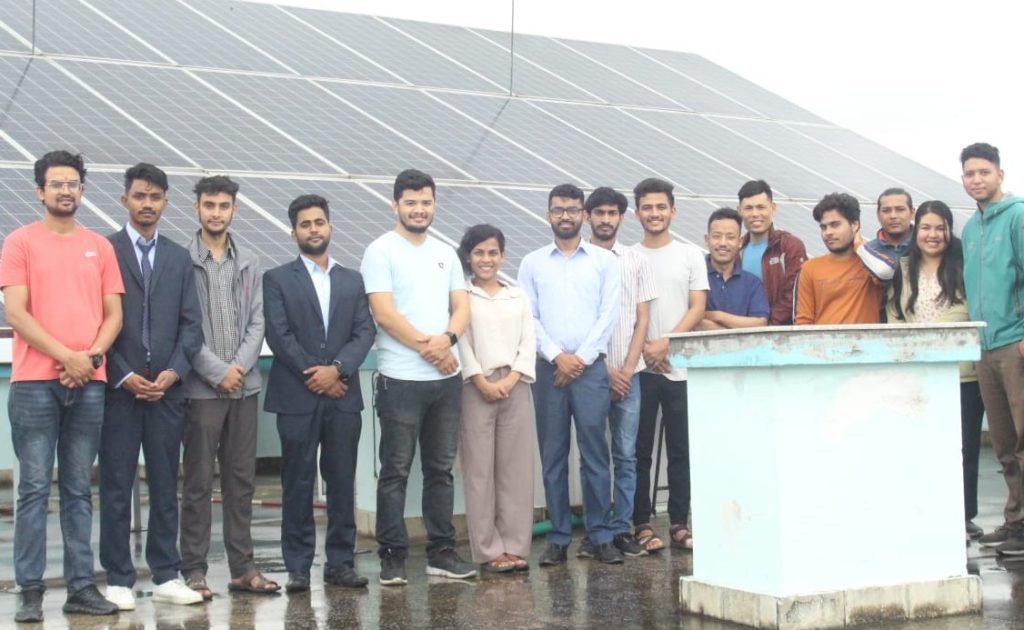
- Purpose: Studies sustainable technologies critical to the regional energy landscape.
- Key Equipment: Solar PV modules, charge controllers, solar inverters, and micro-hydro demonstration units.
- Core Experiments: Measuring solar panel efficiency and analyzing battery management systems.
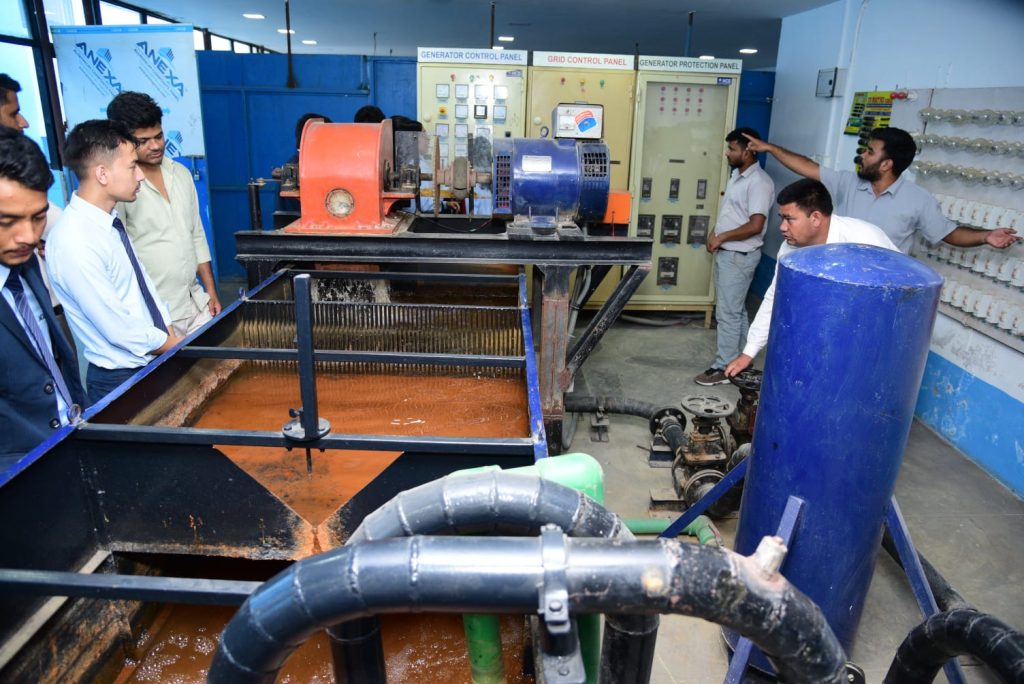
- Purpose: Demonstrates operational mechanisms of a 10 kW micro-hydro power plant setup.
- Key Equipment: Motor pump mechanism and generator control/protection panel.
- Core Experiments: Grid synchronization, load-frequency (P-V) control, and reactive power-voltage (Q-V) control.
Teachers helping shape institutional direction.
Prof. Sangit Lal Nakarmi
Professor
Prof. Dr. Arbind Kumar Mishra
Professor
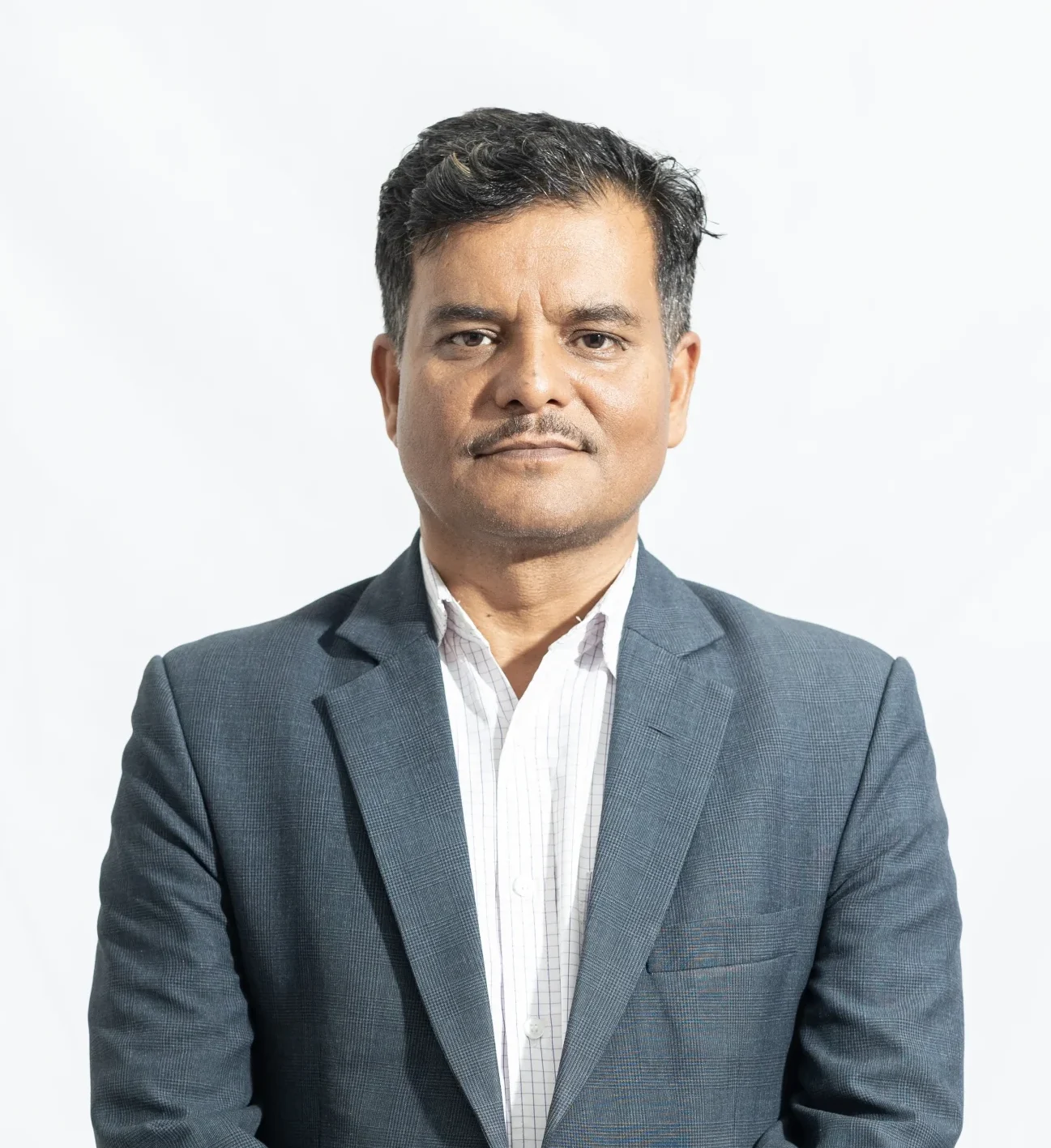
Er. Krishna Prasad Nepal
Head of Department

Er. Shamsher Kumar Singh
Deputy Head of Department

Er.Prakash Gautam
Lecturer

Er.Prabin Kumar Mahato
LecturerElectrical Club at NCE

Electrical Club at NCE serves as the primary student-led body dedicated to extracurricular and technical development for electrical engineering students. It bridges the gap between the formal IOE curriculum and the practical, rapidly evolving energy industry in Nepal.
Core Objectives & Activities
The club focuses on fostering a community where students can experiment beyond the classroom. Their main activities include:
- Technical Workshops: Hands-on training on industry-standard tools like MATLAB, AutoCAD (Electrical), and PLC programming.
- Skill Development: Organizing sessions on house wiring, transformer maintenance, and basic electronics repair to provide job-ready skills.
- “Energetic” Events: Hosting technical fests, including electrical-themed quizzes, project exhibitions, and circuit design competitions.
Field Visit Coordination
While the department handles formal visits, the club often facilitates informal site visits to local substations and hydropower plants to give juniors practical industry exposure.
Recent News & Notices
- RESULT OF NCE RESEARCH GRANT 2082– LIST OF AWARDEES
- National College of Engineering Conducts Research Grant Proposal Presentations 2082
- Rescheduling of Presentation for NCE Research Grant Proposals 2082
- Orientation Program followed by Renew of MoU between NCE and TODA Coorporation
- पुनःआवेदन फारम(Re-Application Form)भर्ने सम्बन्धमा सूचना