Er. Suroj Burlakoti
Welcome to the Department of Electronics and Computer Engineering at National College of Engineering (NCE), Nepal. Our department is dedicated to providing high-quality engineering education in the fields of electronics, computer engineering, and advanced digital technologies.
Read MoreOverview
The Department of Electronics and Computer Engineering at the National College of Engineering (NCE), established in 2001 AD, is the college’s oldest academic department and a leading center for innovation in digital technologies. The department offers two undergraduate programs; “Bachelor of Computer Engineering” and “Bachelor of Electronics, Communication and Information Engineering” with an annual intake capacity of 48 students in each program.

- Expert Mentorship: Friendly blend of seasoned academicians and active industry experts.
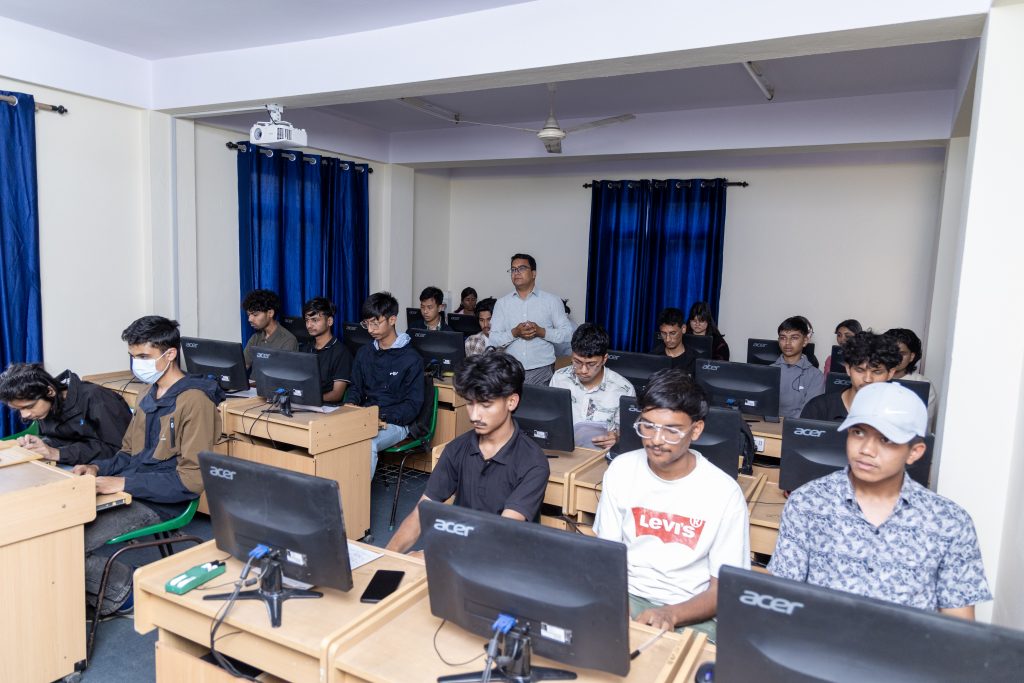
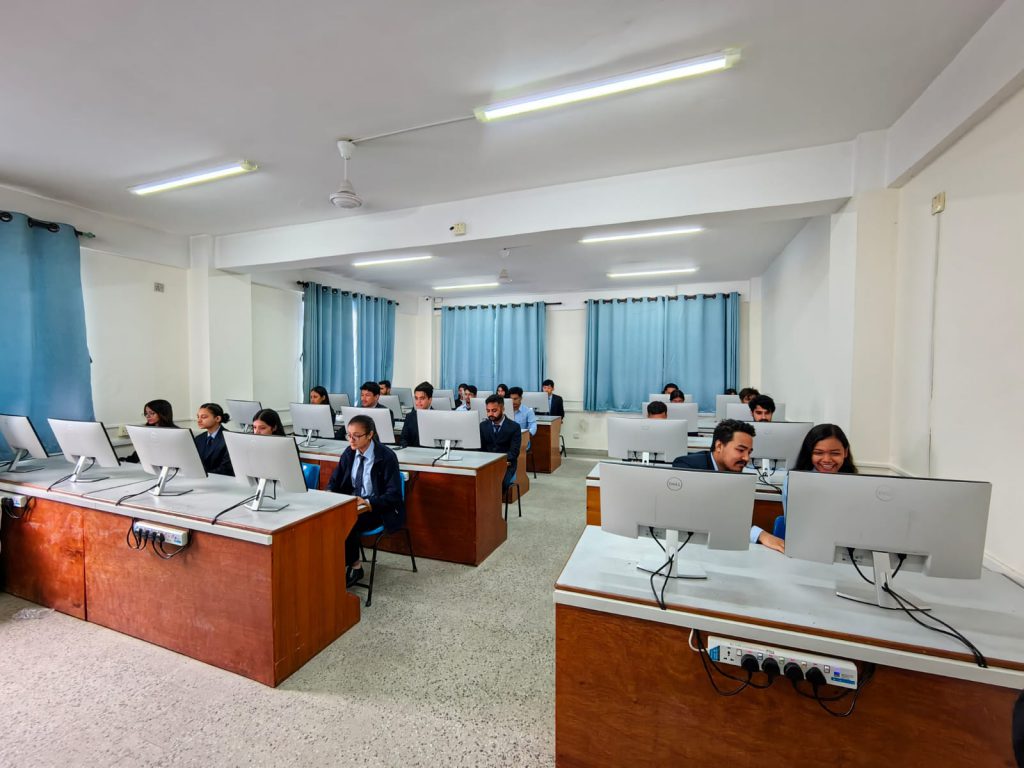
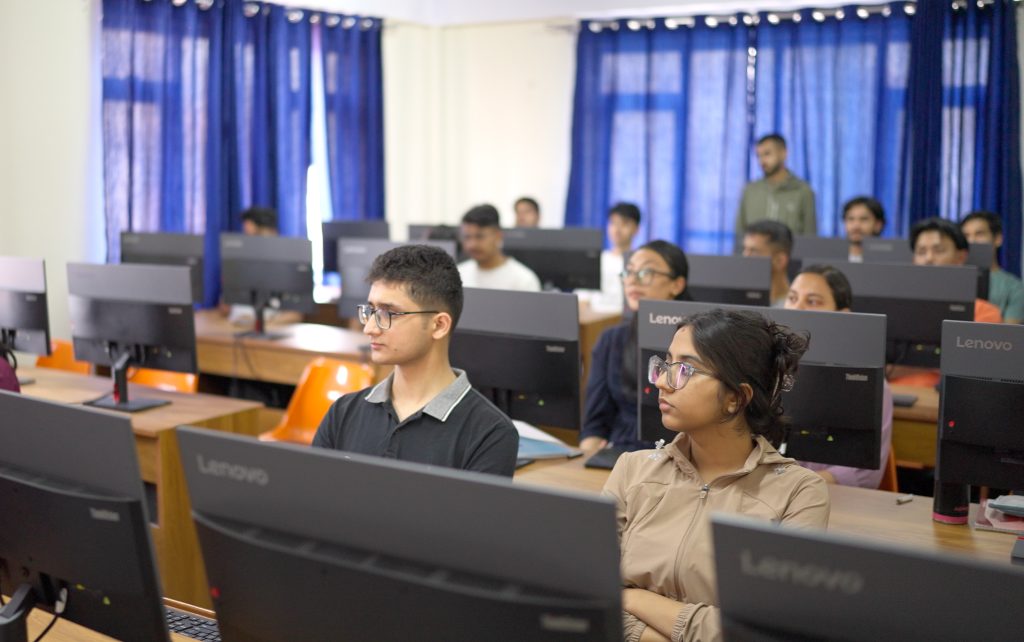
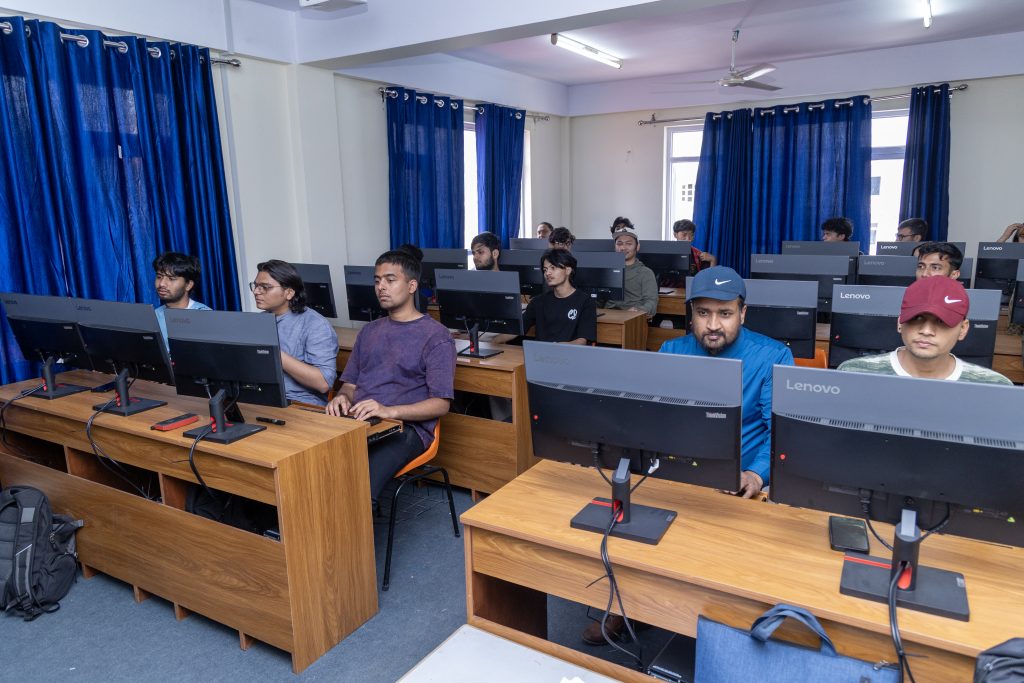
- Upgraded, Spacious Labs: Advanced software labs and other core electronics & communication hubs
- Specialized zones: Artificial Intelligence Research (AIR) Lab and Robotics development facilities
- Proven Excellence: Driven by top-tier students, consistently shines in IOE exams
Laboratories
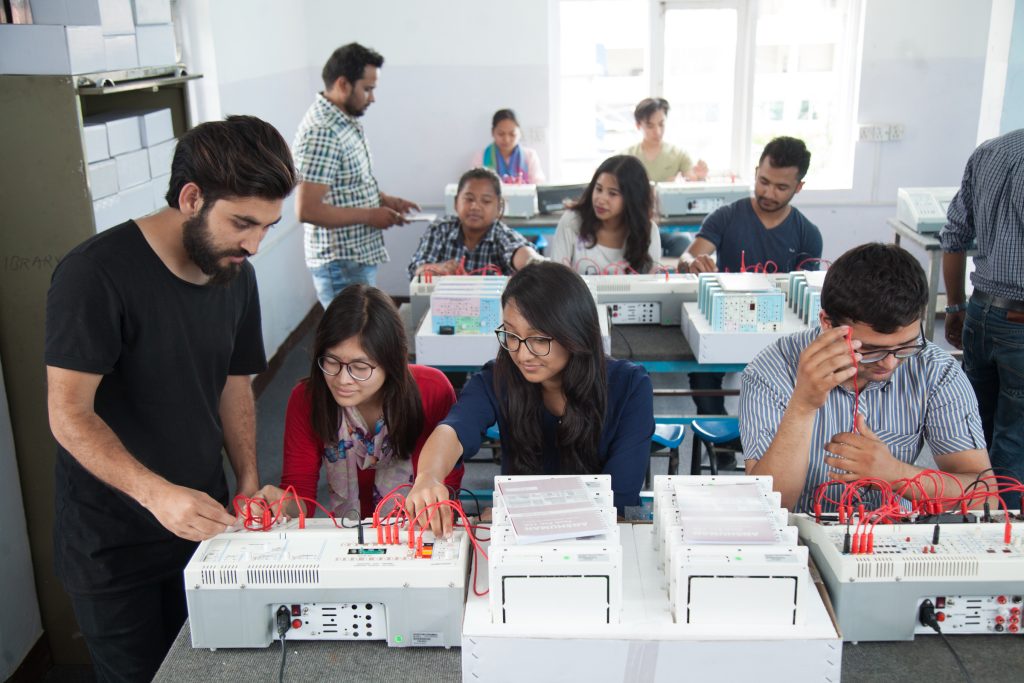
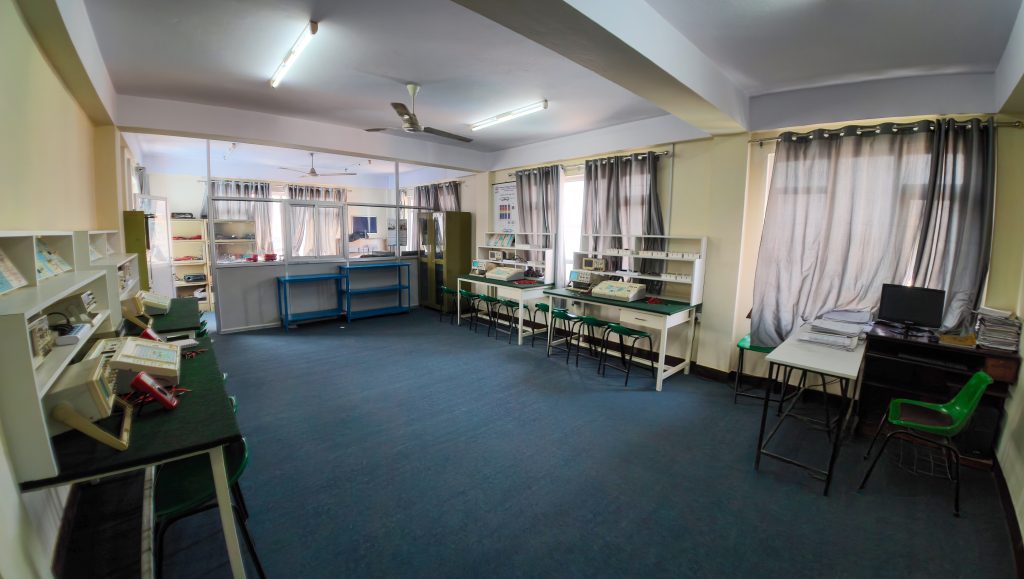
- Purpose: Provides practical exposure to electrical engineering, electronic circuits, communication principles, and electromagnetics.
- Subjects: Electrical & Electronics Engineering, Electronic Devices, Electromagnetics, Communication Systems.
- Key Equipment: Multimeters, oscilloscopes, function generators, DC power supplies, breadboards, and communication trainers.
- Core Experiments: Diode/transistor characterization, amplifier circuit analysis, electromagnetic field tests, and modulation techniques.
- Purpose: Supports learning in digital electronics, logic circuits, signal propagation, and antenna systems.
- Subjects: Digital Logic, Propagation and Antenna.
- Key Equipment: Logic gate trainers, FPGA boards, IC kits, antenna trainers, RF modules, and signal analyzers.
- Core Experiments: Logic gate and circuit design (combinational/sequential), antenna radiation analysis, and signal propagation studies.
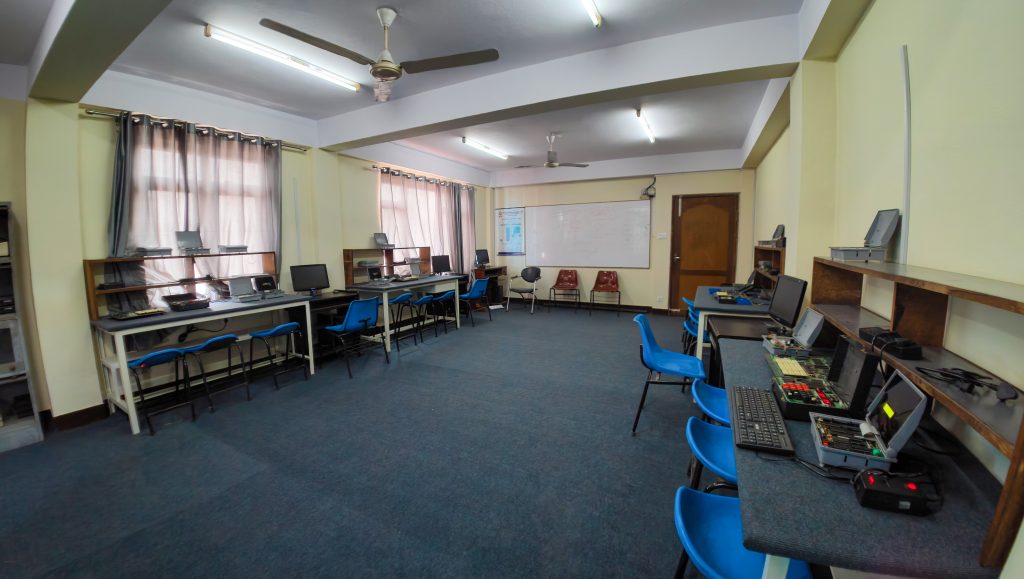
- Purpose: Develops practical skills in automation, sensors, embedded systems, and robotics.
- Subjects: Instrumentation, Microprocessors, Robotics.
- Key Equipment: Microprocessor trainers, PLCs, Arduino/embedded boards, industrial sensors, robotic arms, and servo motors.
- Core Experiments: Sensor interfacing, microprocessor/embedded programming, automation control, and robotic prototype development.
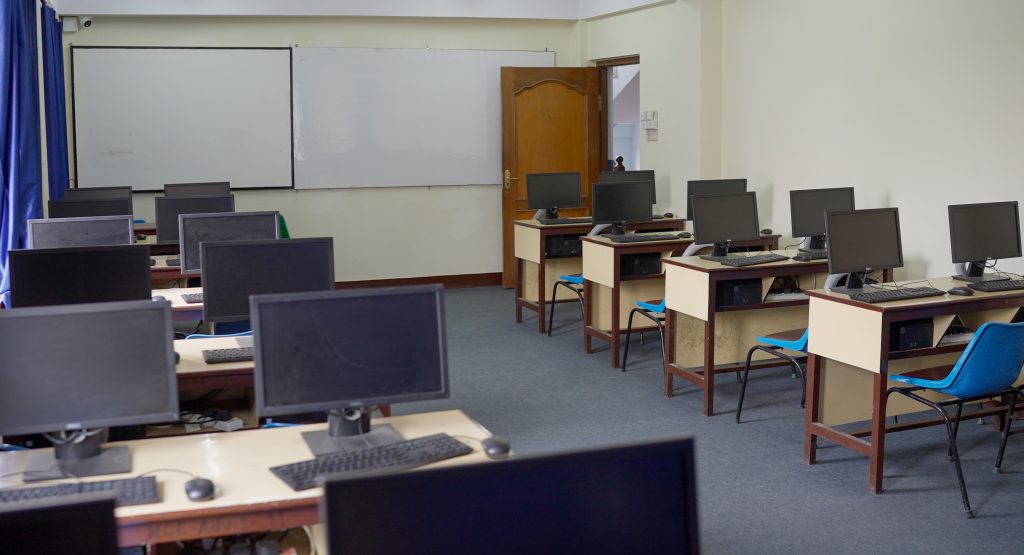
- Purpose: Provides core computing infrastructure for programming, numerical analysis, and visualization.
- Subjects: C/OOP Programming, Computer Graphics, Operating Systems, Numerical Methods.
- Resources & Software: Core i5 desktops (8GB RAM, SSD); GCC, VS Code, Code::Blocks, Python, MATLAB, OpenGL, Linux.
- Core Activities: Coding fundamentals, numerical problem-solving, algorithm implementation, and graphics rendering.
- Purpose: Supports practice in assembly-level, low-level, and high-level programming languages.
- Subjects: C/OOP Programming, Microprocessors.
- Resources & Software: Core i3 desktops (8GB RAM, SSD); VS Code, GCC, Turbo C++, Keil µVision, 8085/8086 simulators.
- Core Activities: Software development, assembly language programming, microprocessor simulation, and debugging.
- Purpose: Facilitates advanced computing, signal processing, data science, and industrial automation simulation.
- Subjects: Signals & Systems, DSP, Control Systems, Automation, Data Mining, Algorithm Analysis, Python for Data Science.
- Resources & Software: Core i5 desktops (16GB RAM, SSD); MATLAB/Simulink, Python (NumPy/Pandas), Jupyter, LabVIEW, R, TensorFlow.
- Core Activities: DSP simulation, control loops, ML model development, data mining, and industrial process modeling.
- Purpose: Provides advanced infrastructure for software engineering, databases, networking, and system architecture.
- Subjects: Computer Architecture, Embedded Systems, Distributed Systems, DSA, Software Engineering, DBMS, Web Programming.
- Resources & Software: Core i5 desktops (16GB RAM, SSD); MySQL/PostgreSQL, Docker, VMs, Cisco Packet Tracer, Wireshark, Apache.
- Core Activities: Database design, network configuration, embedded programming, web development, and architecture simulation.
- Purpose: Supports research and practical work in AI, advanced networking, data science, and telecommunications.
- Subjects: Artificial Intelligence, Computer Networks, Data Science, Data Communication, OOAD, Internet & Intranet.
- Resources & Software: Core i7 desktops (16GB RAM); Python, TensorFlow, PyTorch, Cisco Packet Tracer, Wireshark, Java, Cloud/Network simulation tools.
- Core Activities: AI/Neural network development, network design and security testing, telecom simulation, and software architecture design.
Teachers helping shape institutional direction.
Er. Pradip Adhikaree
Associate professor
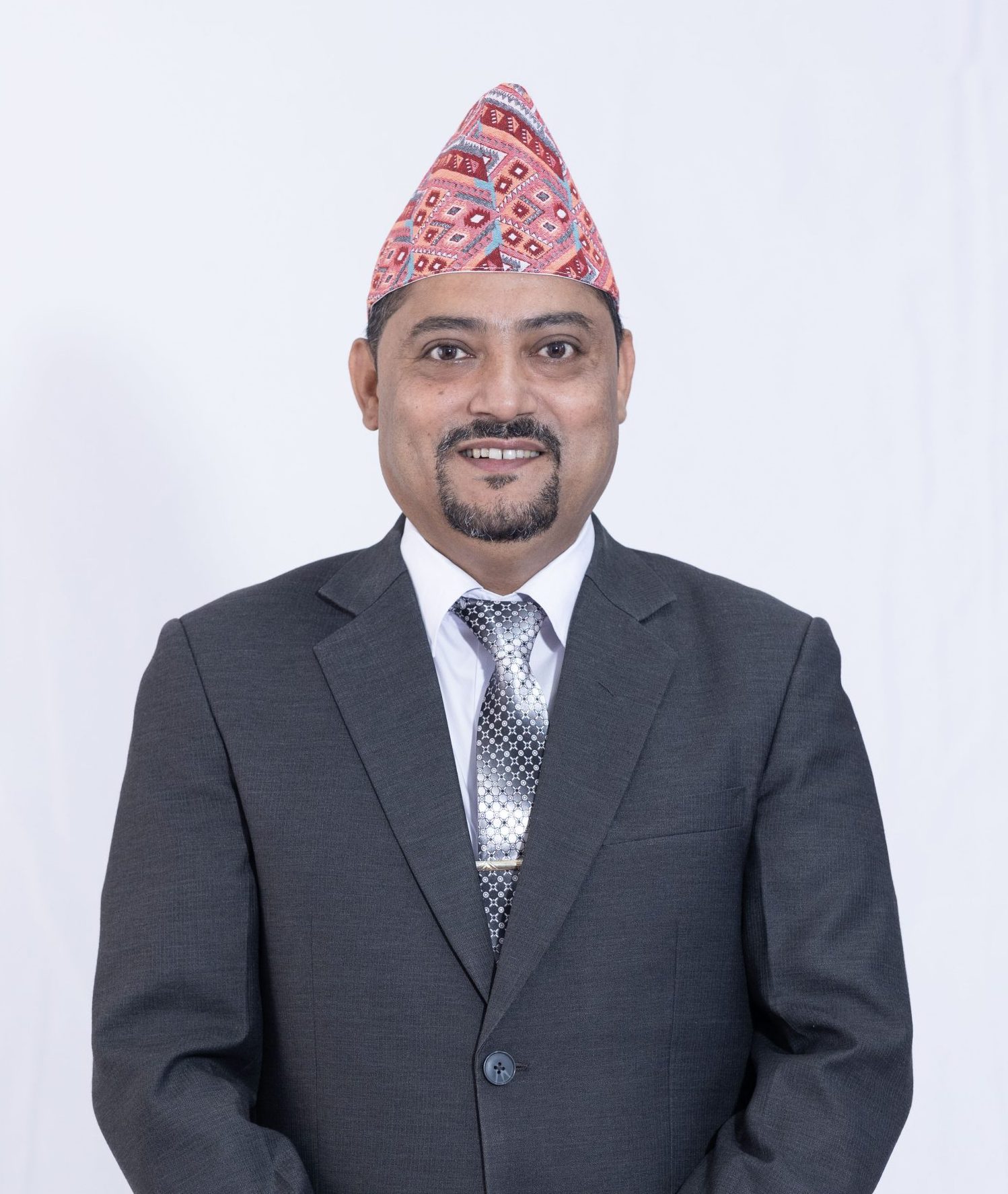
Er. Suroj Burlakoti
Head of Department
Er. Subash Panday
Deputy Head of Department
Er. Sharmila Bista
Associate Professor
Er. Saban Kumar KC
Associate Professor
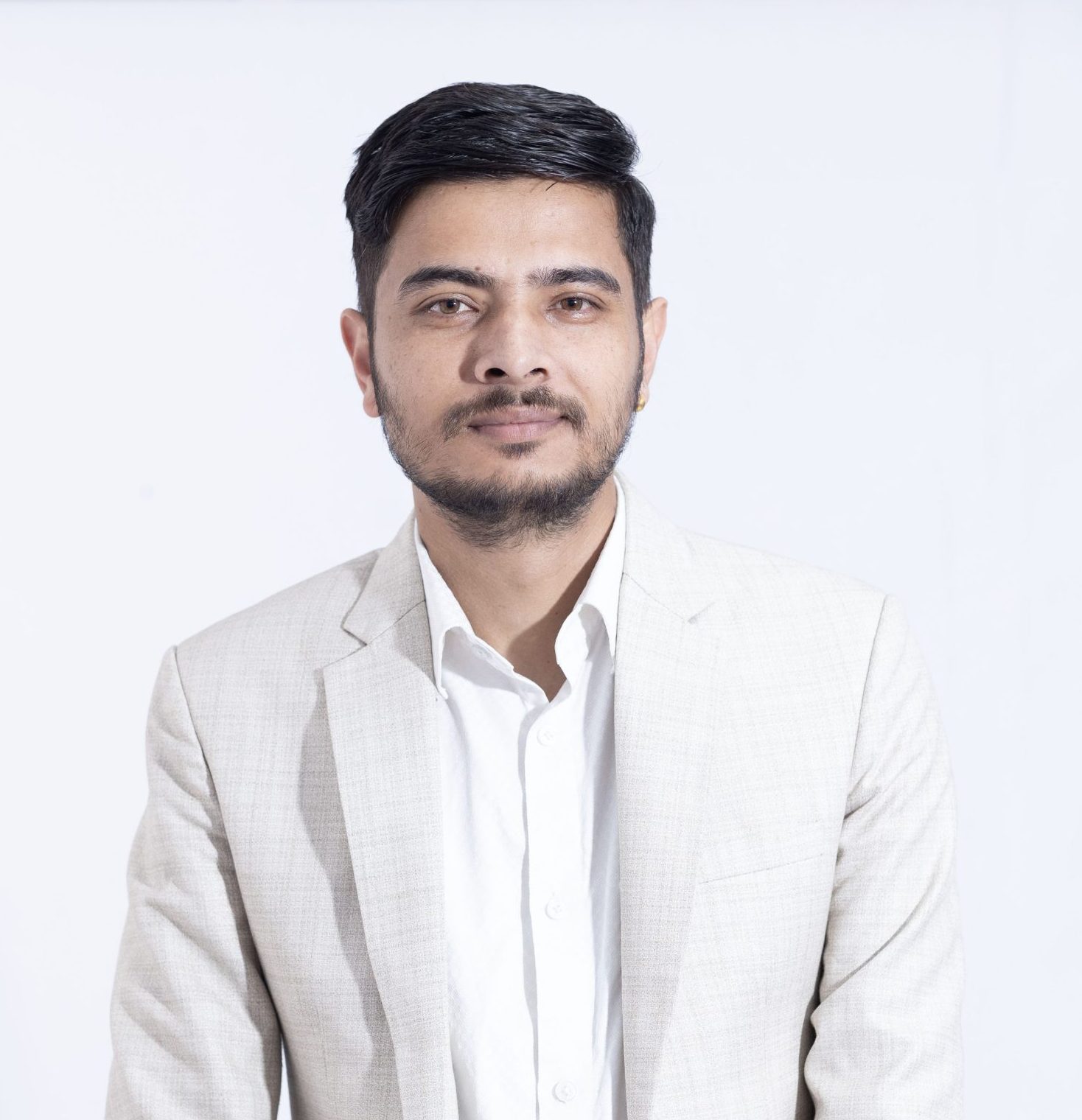
Er. Sahil Subedi
Senior Lecturer

Er.Bidur Sapkota
Lecturer
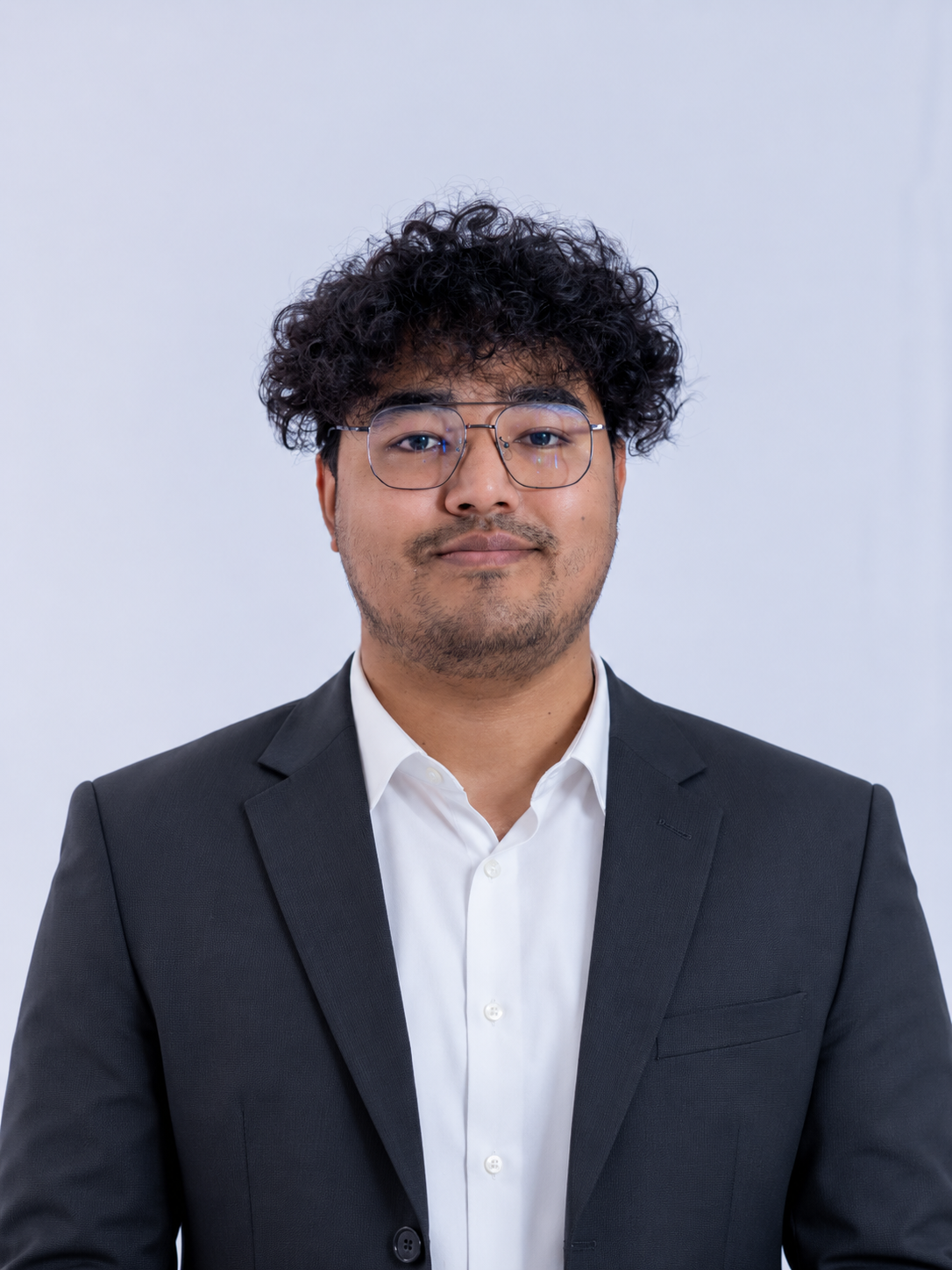
Er.Ranjit KC
Assistant lecturer
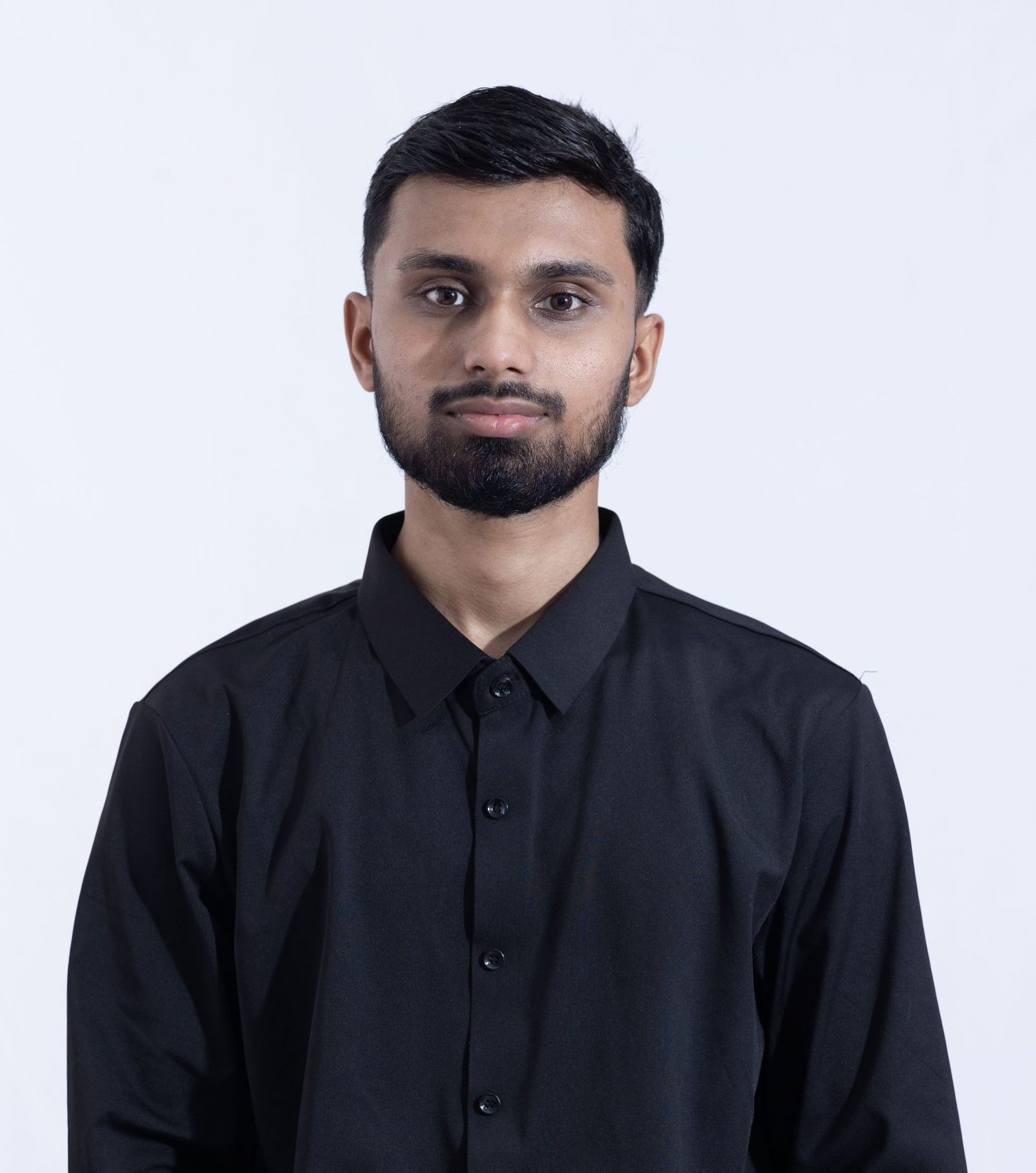
Er.Sagar Panta
Assistant lecturerStudent Clubs
The department promotes active student engagement through technical clubs and innovation-driven activities.
NCE IT Club- Organizes coding events, workshops, and hackathons
- Encourages collaboration and innovation
- Bridges academic knowledge with industry trends
- Focuses on robotics design and automation
- Prepares students for competitions and technical challenges
- Provides practical exposure to emerging technologies
Achievements
The department has a strong track record of excellence in academics, innovation, and competitions.
Awards & Recognitions- Winner – Dronacharya, 2019 (Organized by LOCUS, Pulchowk Campus)
- Winner – UNDP SDG, 2018 (Organized by RAN)
- Runner-Up – Kurukshetra, 2017 (Organized by SOMES – IoE)
- Winner – NASA International Space App Challenge Kathmandu 2016 (Organized by ICIMOD)
- Second Runner Up and Best Design Award – Yantra 1.0, 2013 (Organized by RAN)
- Winner and Grand Prix Award – Robo Soccer, 2004 (Organized by Robotics Club – Pulchowk Campus)